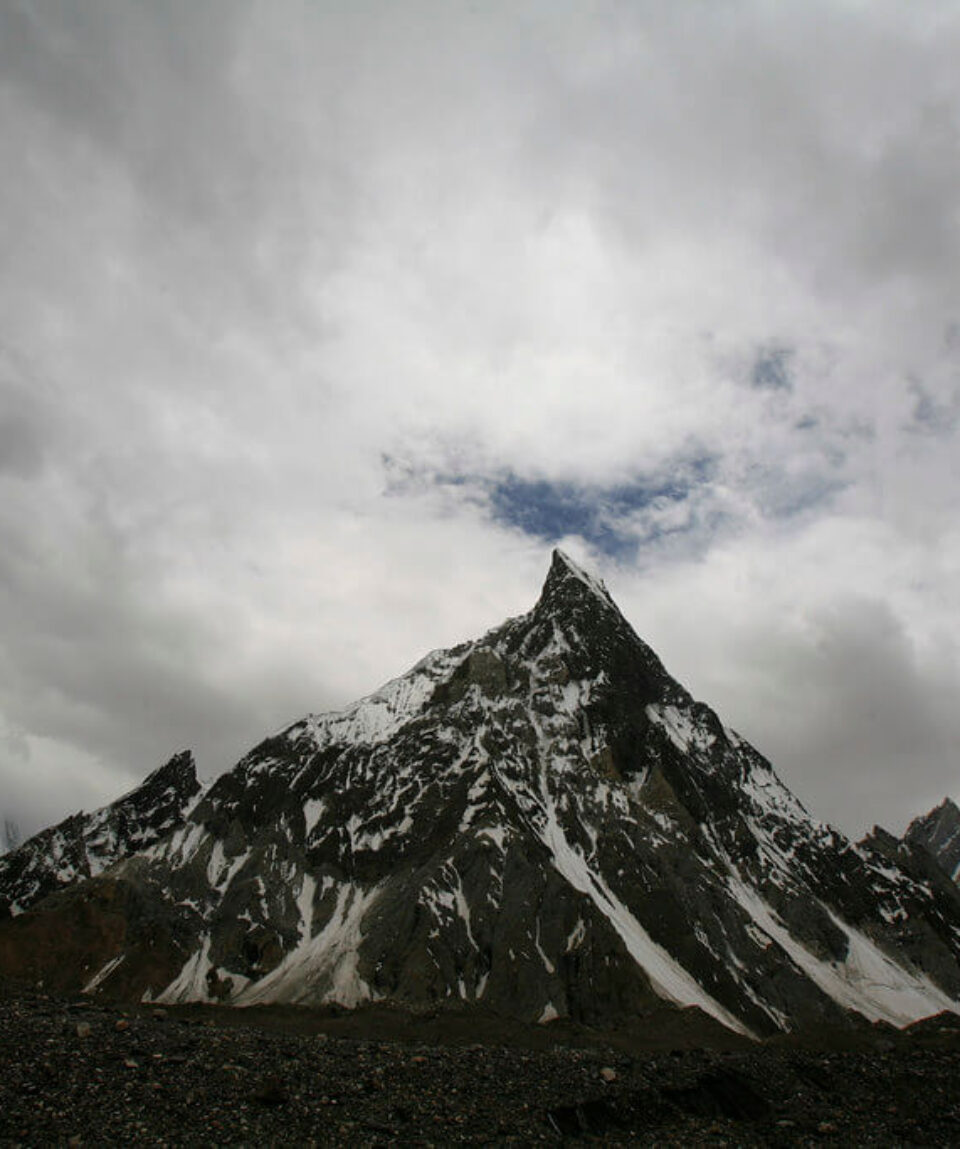
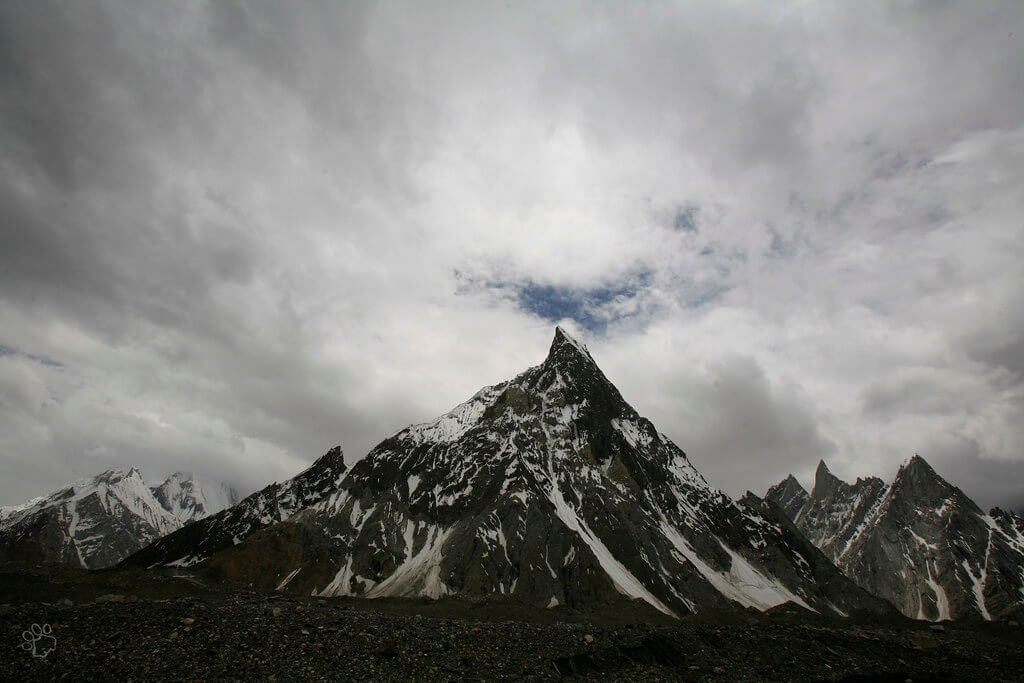
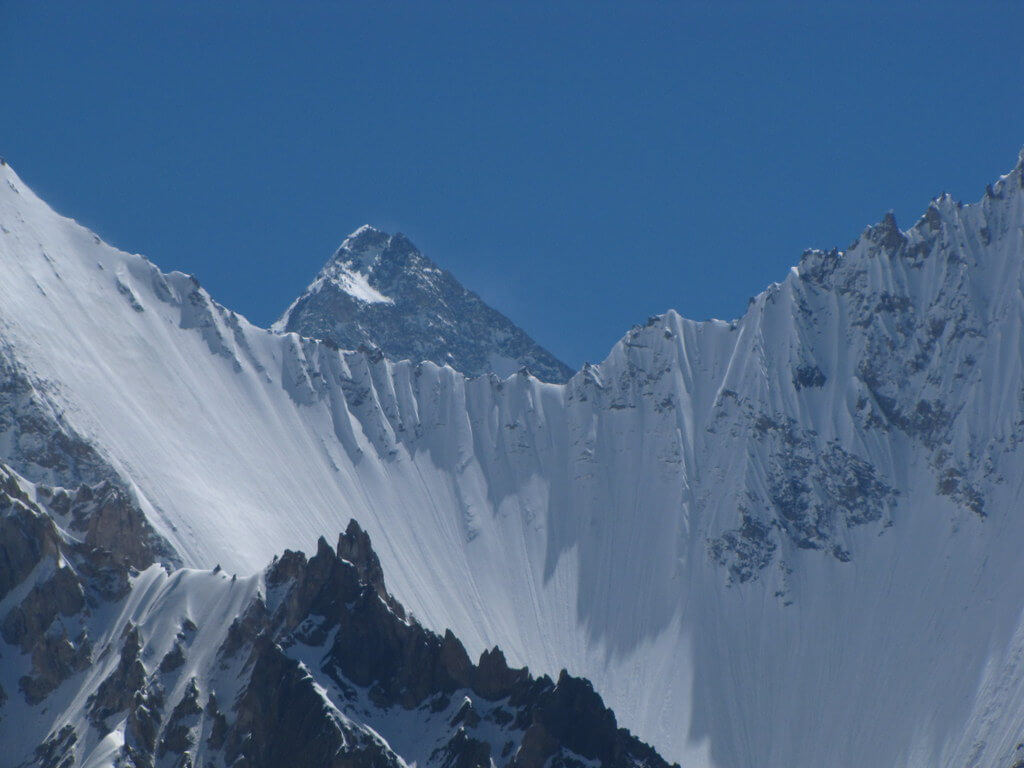
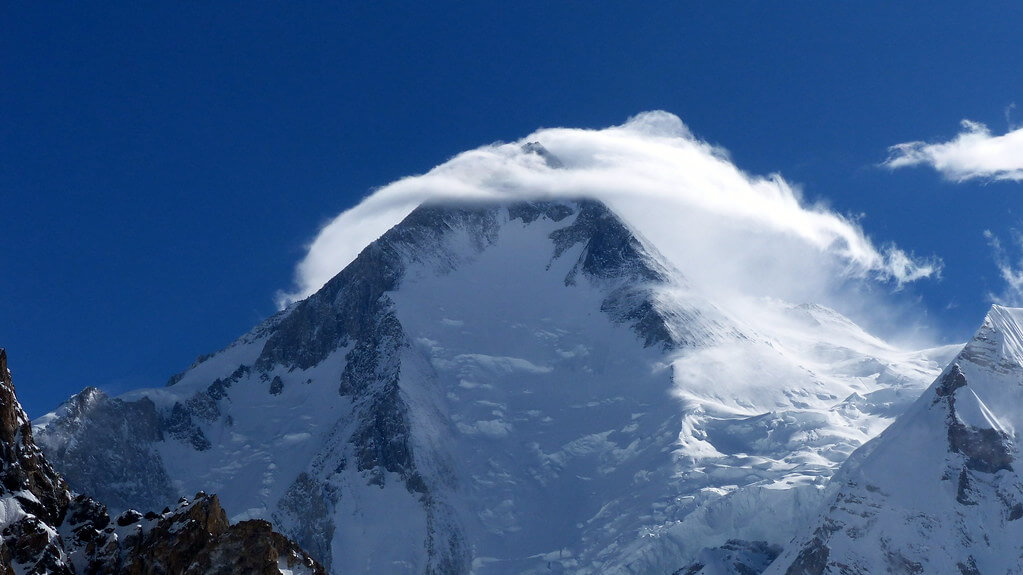
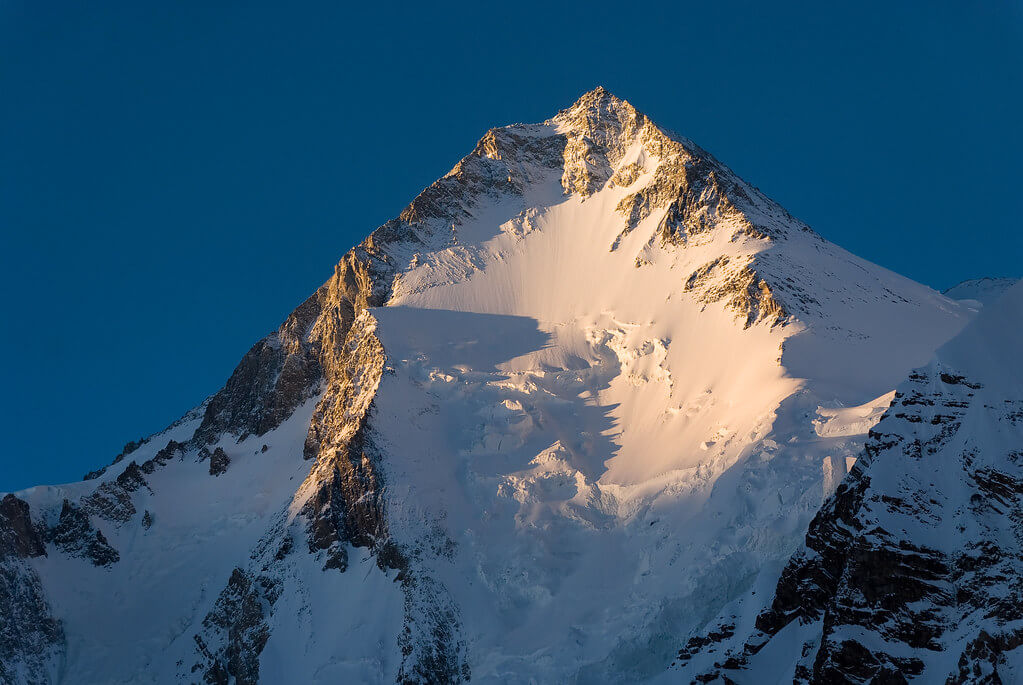
Taking on Gasherbrum I, also known as Hidden Peak, is the goal of the remarkable and difficult Gasherbrum I Expedition. Gasherbrum I, the 11th highest peak in the world, is located in the majestic Karakoram Range on the border of Pakistan and China. Its astounding height is 8,080 meters (26,509 feet), ranking it as the 11th highest peak in the world.
The Gasherbrum I Expedition climbers are in for a challenging and thrilling adventure. The adventure normally begins in the isolated Pakistani area of Baltistan from the charming town of Skardu, which is encircled by spectacular views of towering peaks and virgin valleys. Awe-inspiring scenery, including verdant meadows, cold streams, and striking rock formations, may be seen during the journey to the base camp.
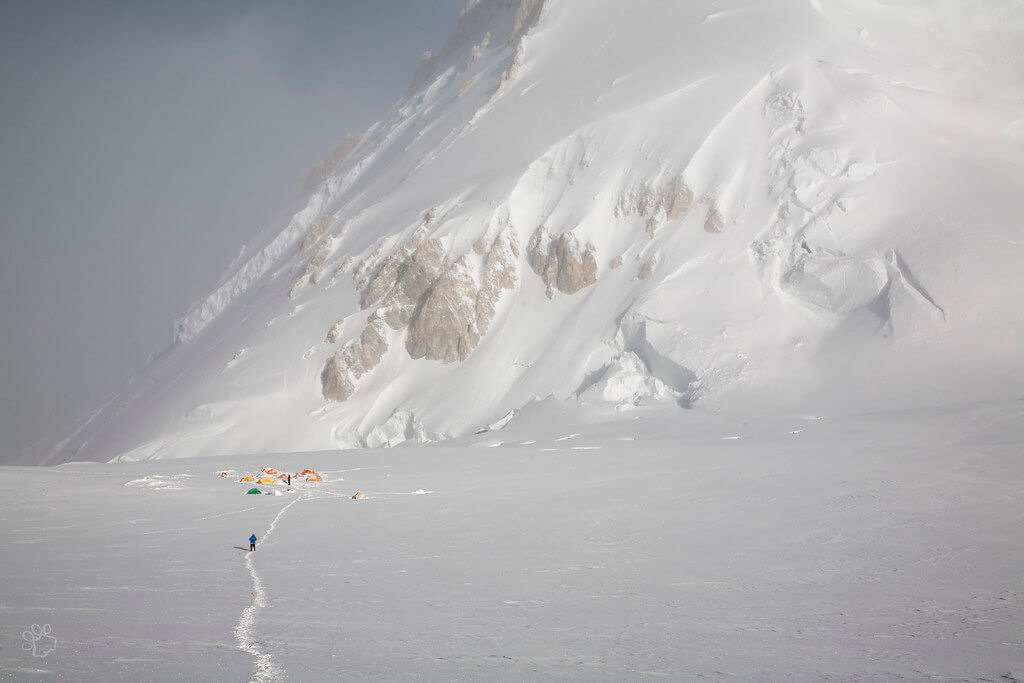
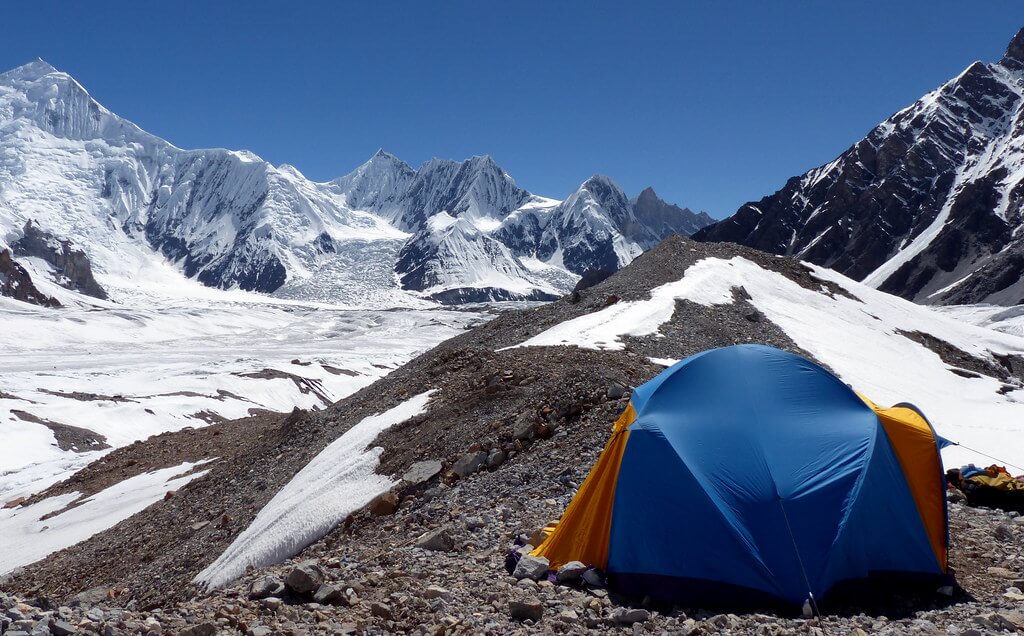
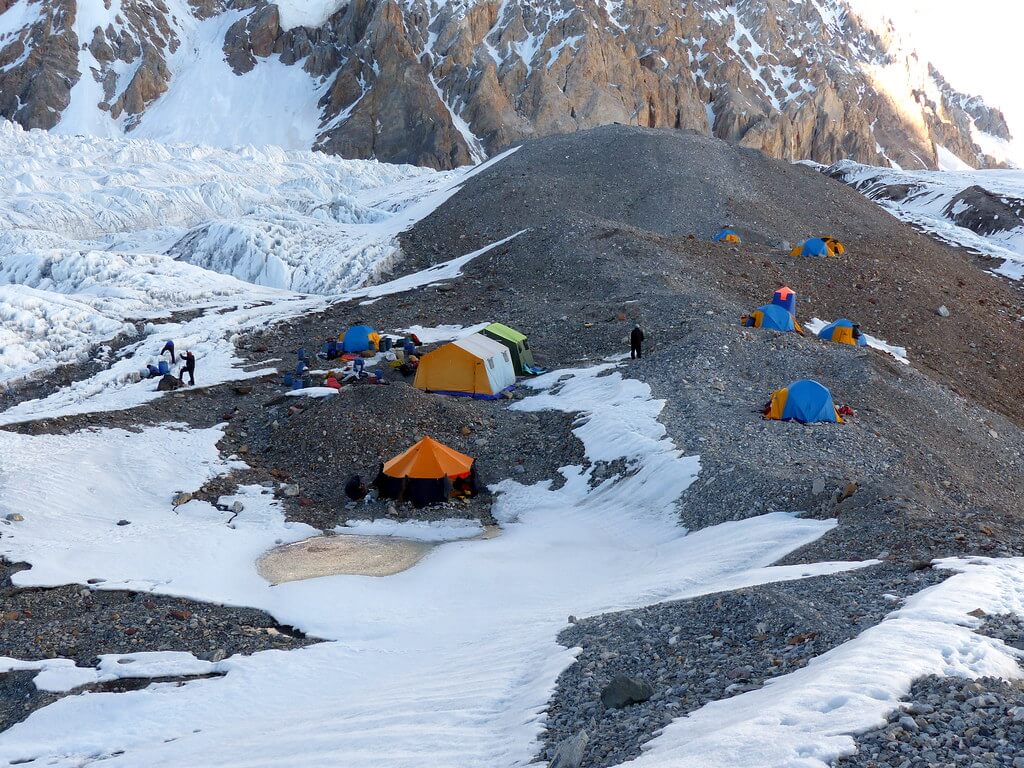
Climbers gradually acclimatize to the high altitude and difficult conditions as they go closer to base camp. This vital stage enables their bodies to acclimatize to the thin air and lowers the danger of illnesses associated with high altitude. Before beginning the actual climb, the base camp functions as a crucial hub for rest, preparation, and supply management.
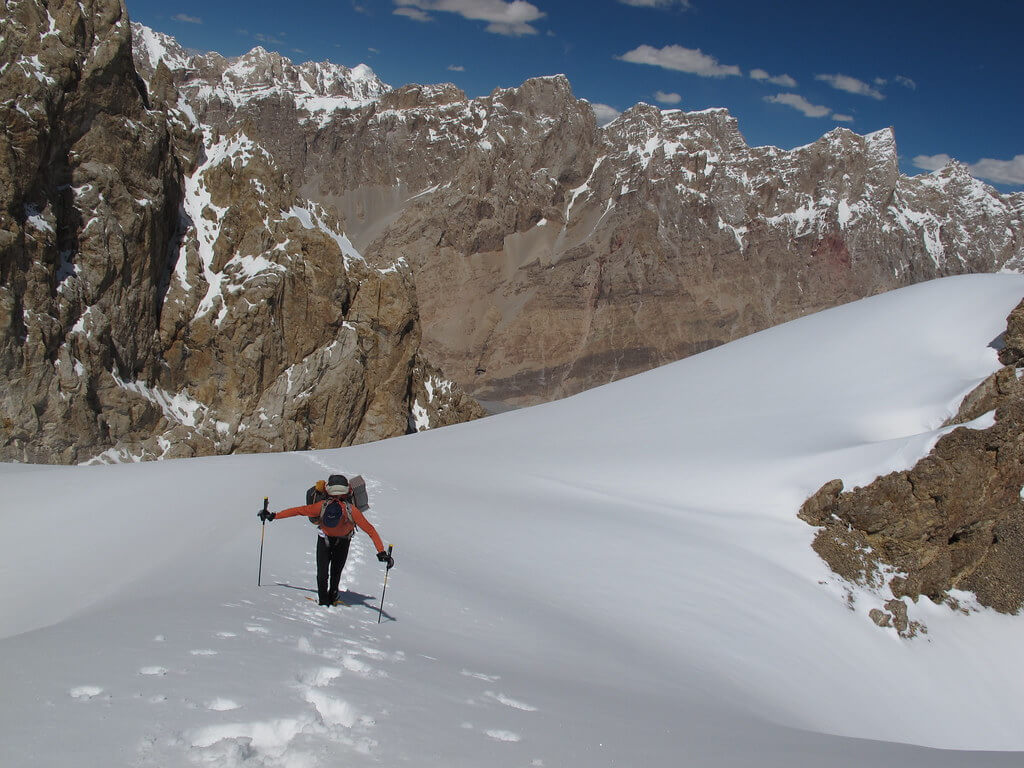
Taking Gasherbrum up I requires considerable mountaineering prowess due to the peak’s tremendous obstacles, which include icy cliffs, exposed ridges, and steep slopes. Climbers must use their technical proficiency and physical stamina to negotiate perilous crevasses, traverse glacier crossings, and climb difficult rock portions. Crampons, ice axes, and ropes are examples of specialized gear that are necessary for both safety and advancement.
The Gasherbrum I Expedition is greatly impacted by the weather because of the mountain’s propensity for violent storms and extremely high temperatures. The trip may be seriously jeopardized by abrupt changes, such as blizzards and strong winds, thus climbers must be ready for them. Weather forecast monitoring and meticulous planning become essential for ensuring the climb’s safety and success.
During the Gasherbrum I Expedition, it was usual practice to set up numerous high camps along the ascent. These camps act as necessary rest stops, giving climbers a place to stay, recuperate, and continue their acclimatization. Climbers gradually ascend while maintaining their physical and mental well-being as they move from camp to camp.
An incredible accomplishment, reaching the peak of Gasherbrum I rewards climbers with breathtaking vistas of the Karakoram Range and its snow-capped peaks. The majestic splendor of massive glaciers, deep valleys, and far-off mountain ranges that stretch as far as the eye can view is shown by the panoramic perspective that emerges from the peak.
It is important to understand that there are hazards associated with the Gasherbrum I Expedition. The peak has a reputation for being a rigorous and hazardous climb due to its rough terrain, harsh climate, and technical challenges. For reducing hazards and ensuring a safe and successful ascent, proper training, prior expertise, and an experienced crew are crucial.
To sum up, the Gasherbrum I Expedition is a mind-blowing and physically taxing trip that begs climbers to push themselves to their limits, accept the untamed might of nature, and take in the unmatched splendor of the Karakoram Range. It represents the spirit of exploration, resiliency, and human determination to scale massive peaks, making an enduring impression on the mountaineering community.