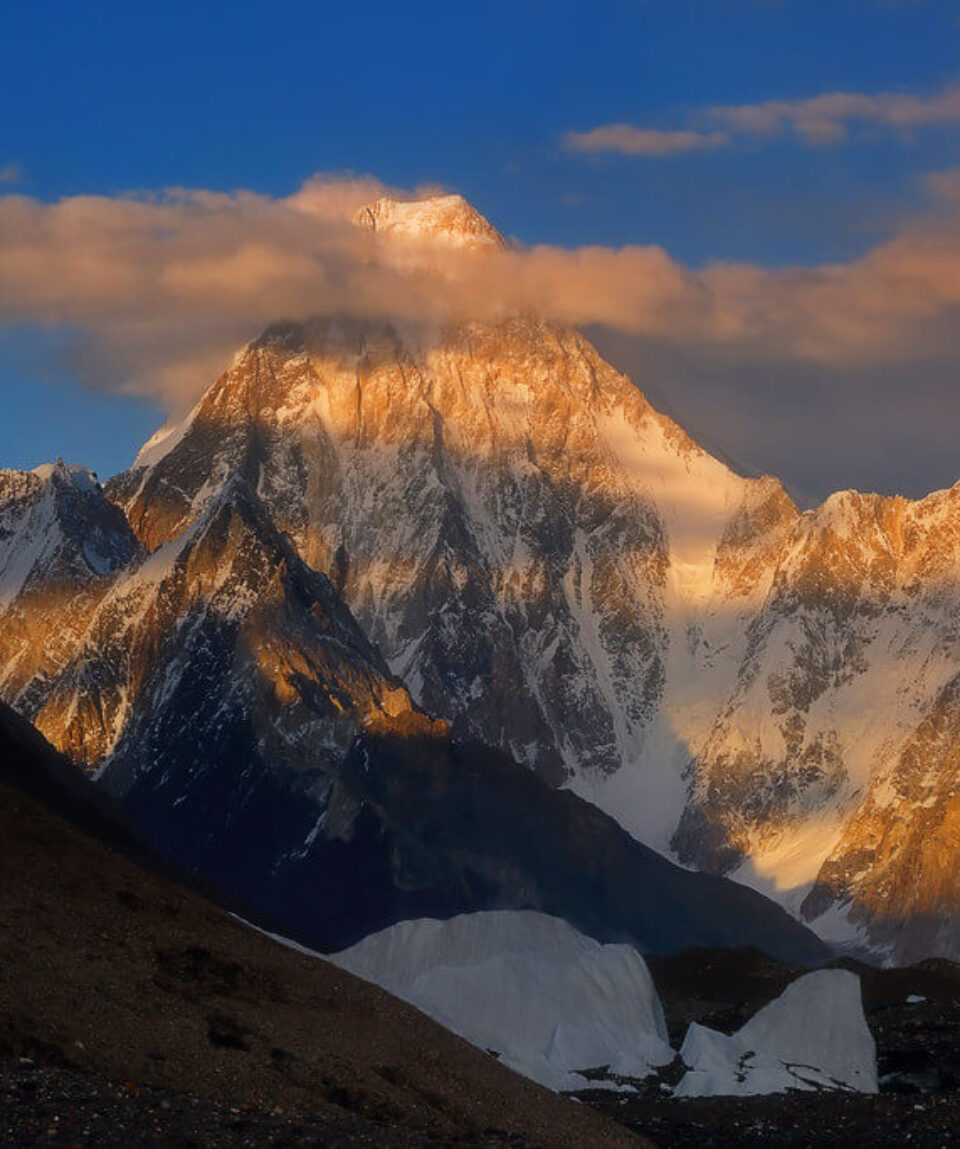
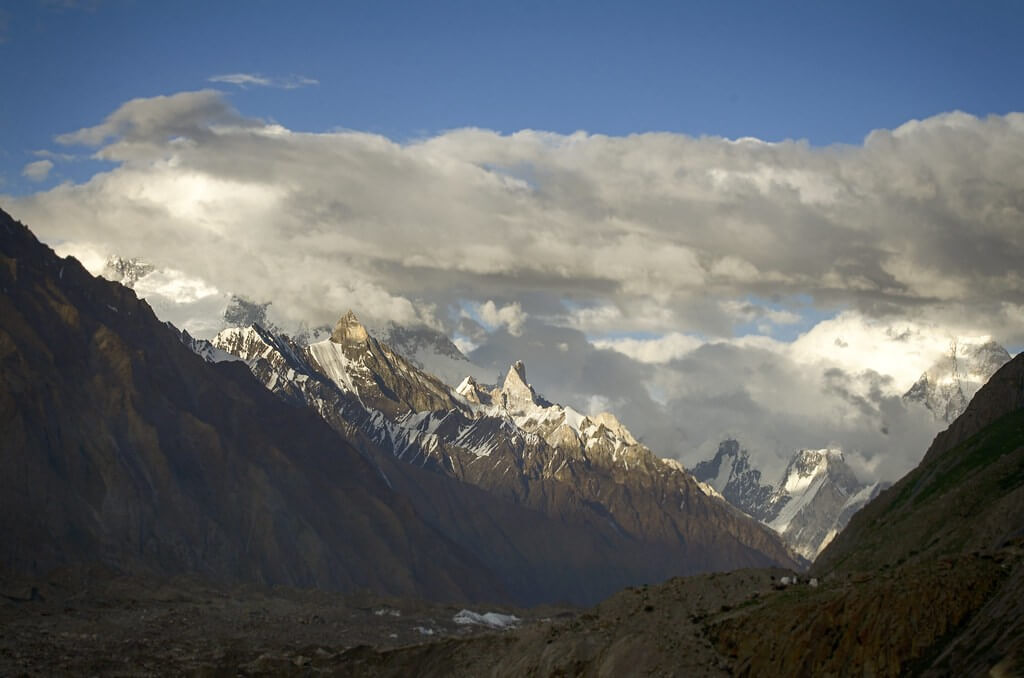
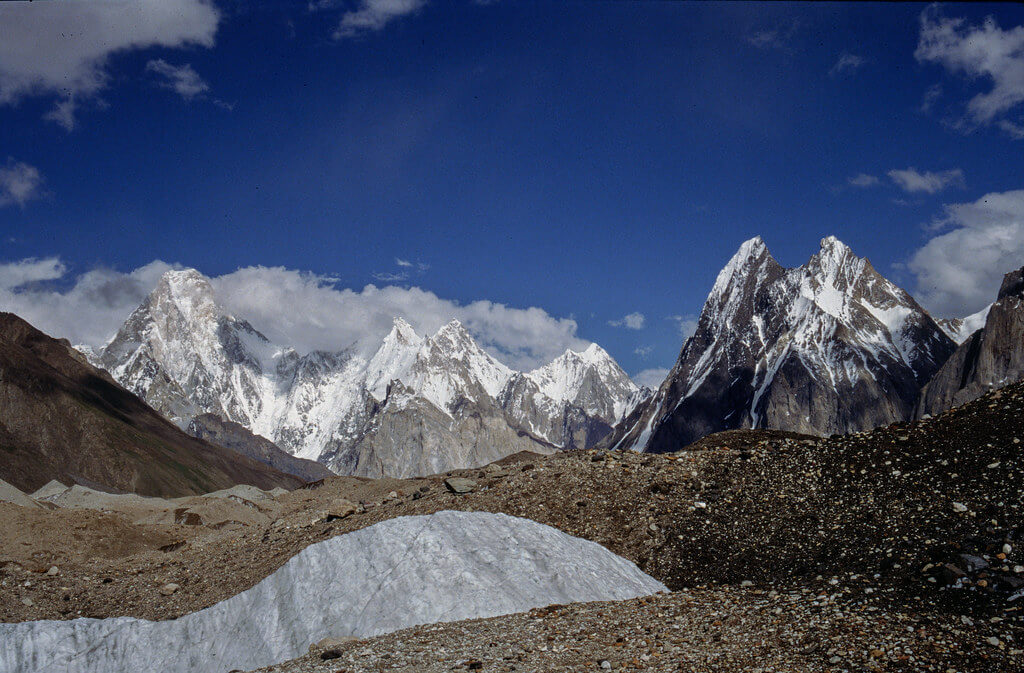
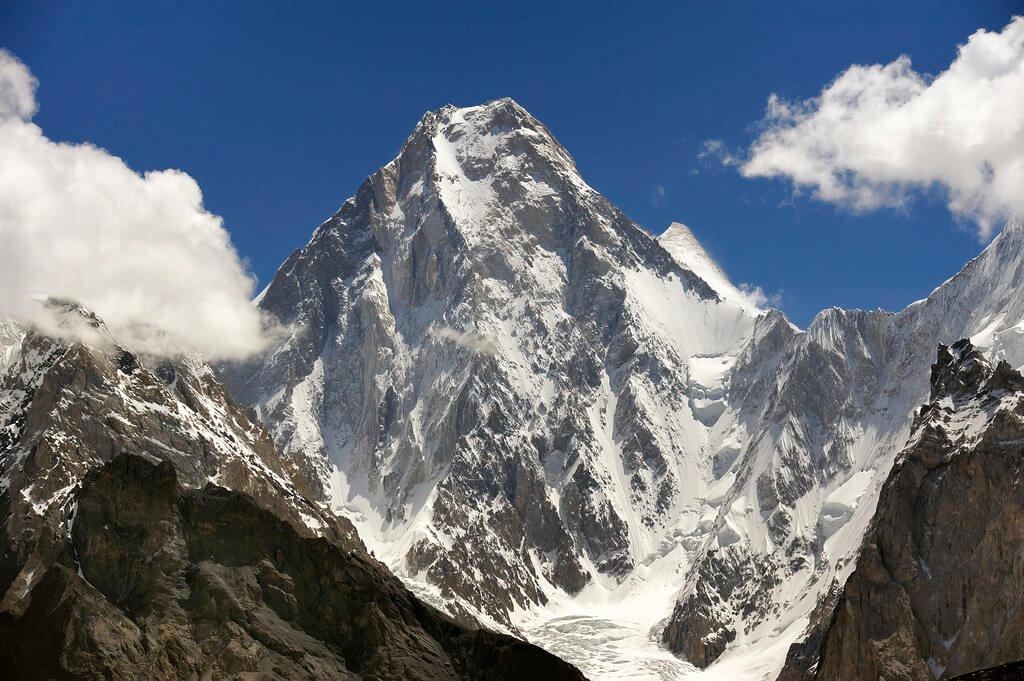
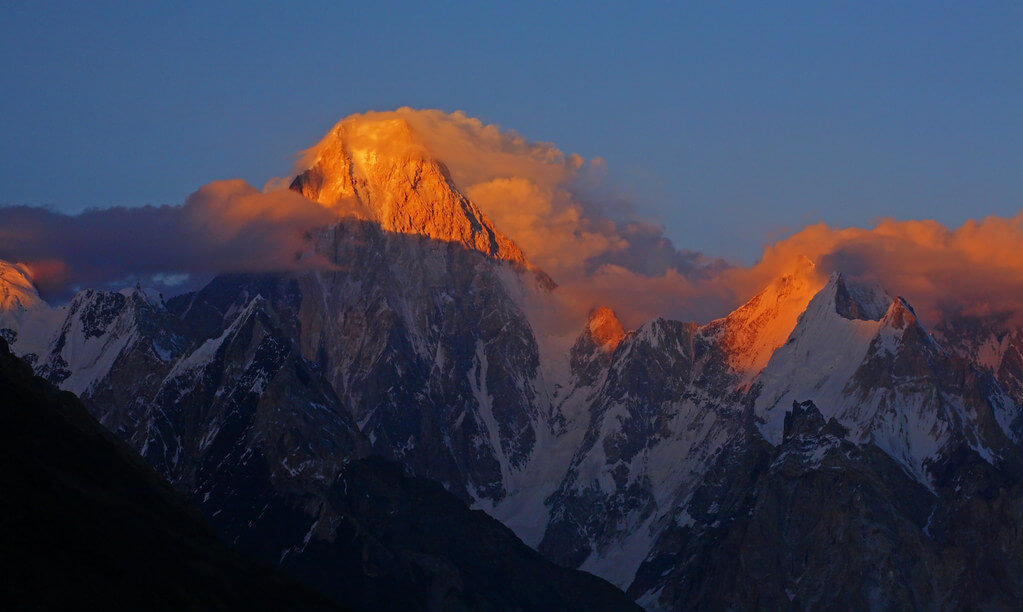
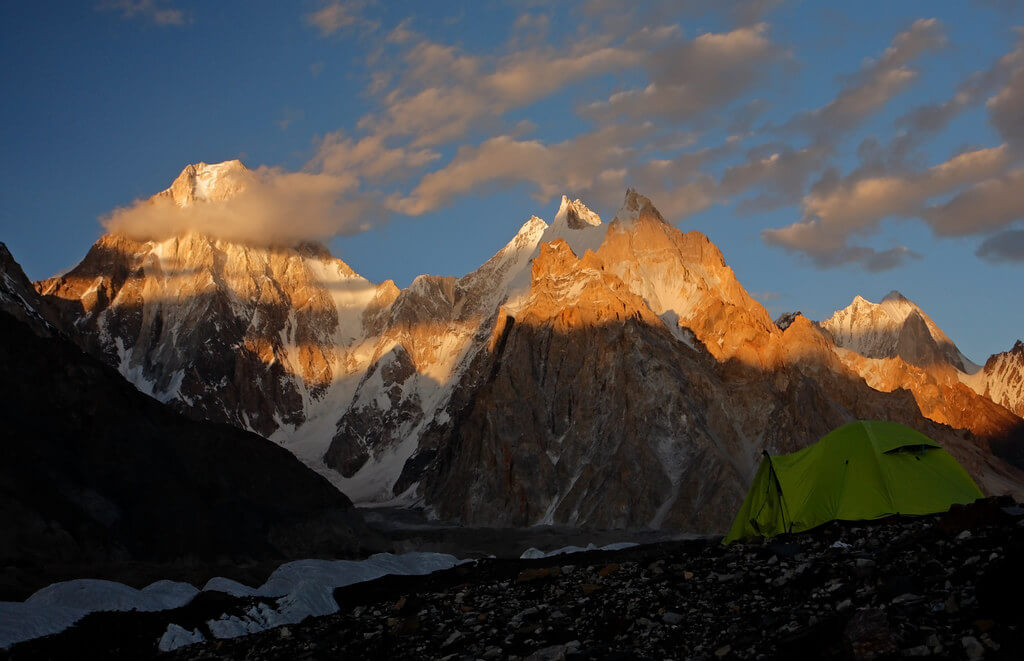
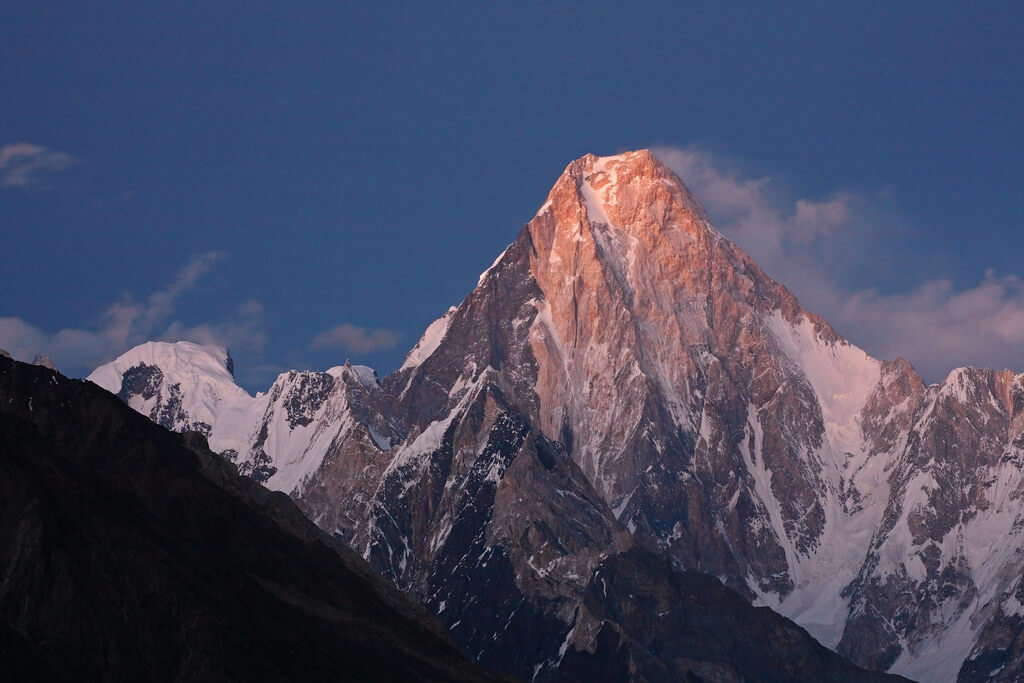
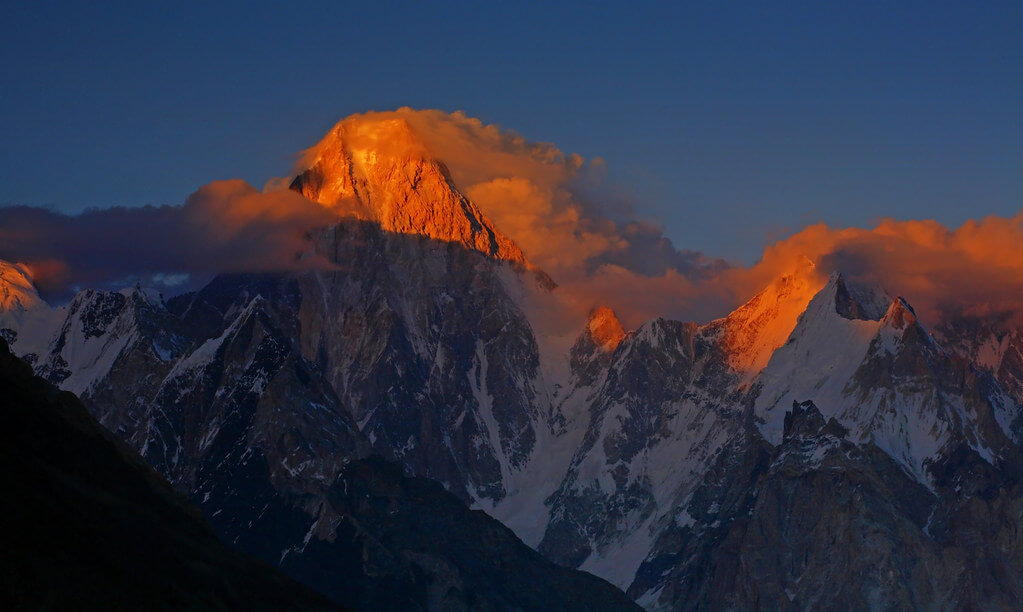
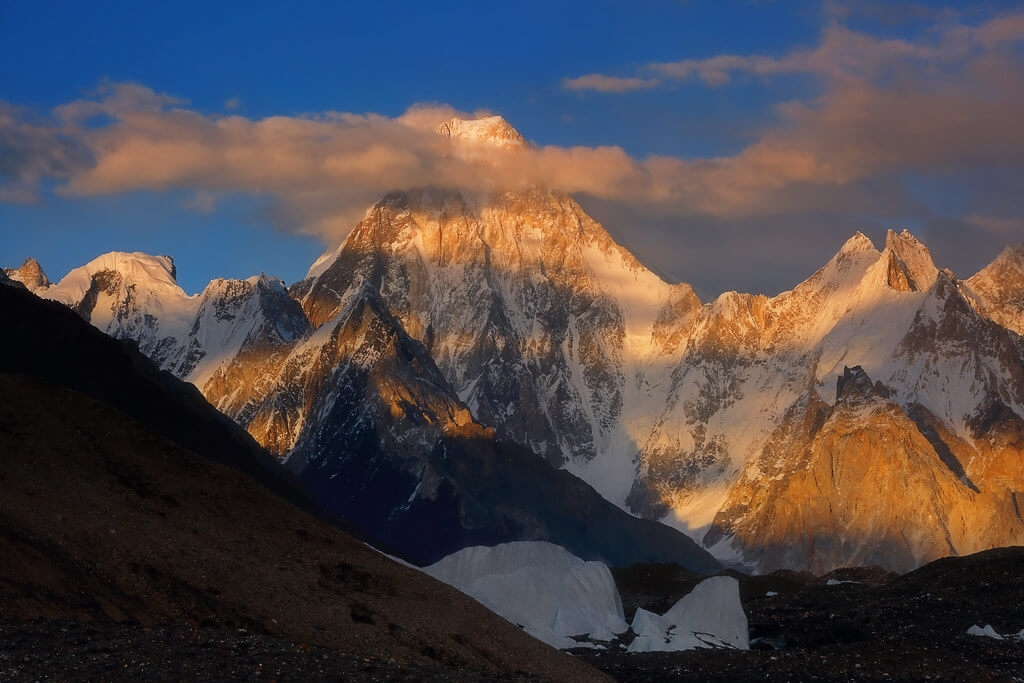
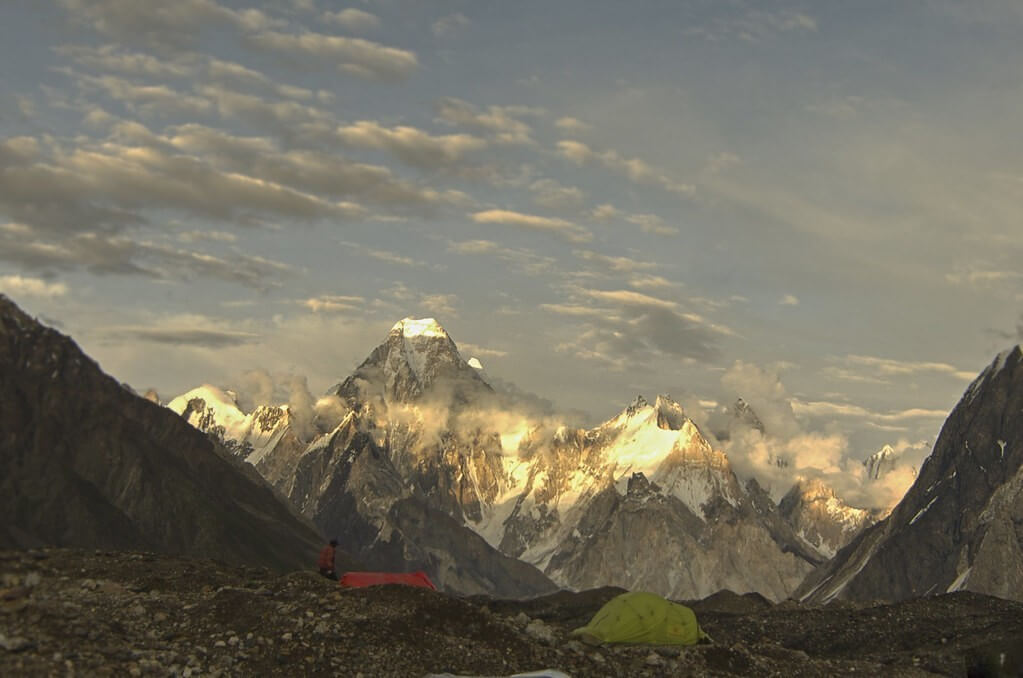
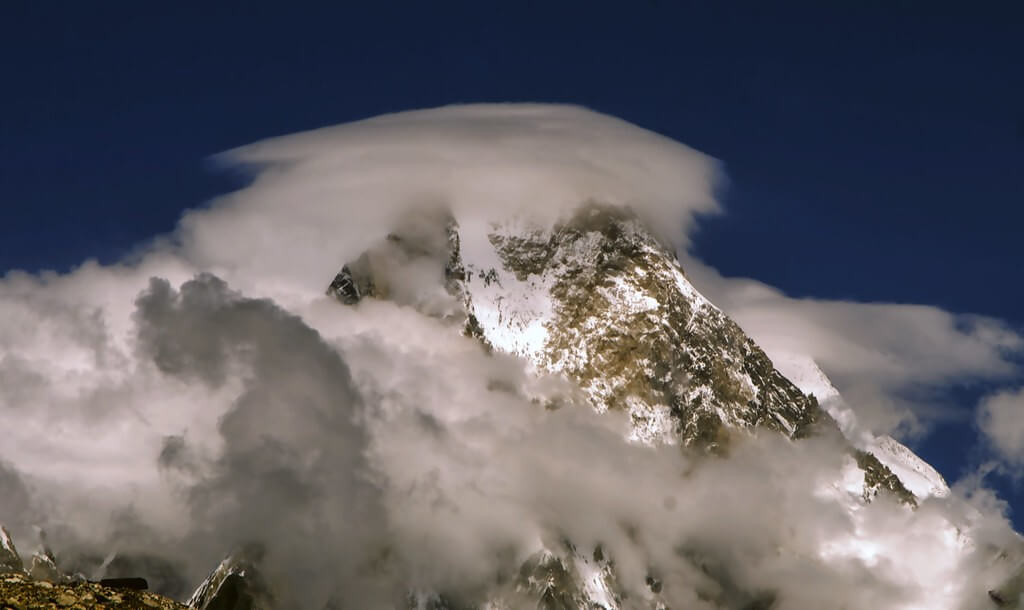
The goal of the tough and ambitious Gasherbrum IV Expedition is to scale Gasherbrum IV, a prominent peak located inside the Gasherbrum Massif. Three of the 8,000-meter peaks in the world are found in the Gasherbrum Massif, with Gasherbrum IV topping them all at a remarkable height of 7,925 metres (26,001 feet). This mountain is ranked as the sixth highest in the Gasherbrum Massif, the seventh highest in Pakistan, and the 17th highest peak in the entire world. Its attractiveness is increased by the fact that it is situated close to the Baltoro Glacier in Pakistan’s Gilgit-Baltistan province.
As in the local Balti language, where “Gasher” means “beauty” and “Brum” means “mountain,” the name “Gasherbrum” is a reflection of this. This moniker is an appropriate tribute to the mountain’s breathtaking west face, also known as the “shining wall.”
When renowned explorer Francis Younghusband travelled to the area in 1889, Gasherbrum IV became well-known. Later, other efforts to reach the summit were made, but it wasn’t until 1958 that climbers succeeded in this amazing achievement.
In 1958, a Carlo Mauri and Walter Bonatti-led Italian Expedition made the first successful ascent of Gasherbrum IV. Before arriving safely to base camp, they faced numerous difficulties during their expedition, including navigating a blizzard and spending the night at a height of 7,700 metres.
The Gasherbrum IV Expedition necessitates not only highly developed mountaineering abilities but also the capacity to deal with the technical challenges of the climb and the progressively worsening weather as height increases. It is regarded as one of the most difficult climbs in the world, distinguished by arduous rock faces and several real dangers. The climbers involved in this expedition face difficult obstacles as they make their way to the summit. Many climbers have failed to reach their goals on the peak, and some have even perished while trying. The magnificent beauty and attraction of the peak itself, however, rival only the tremendous difficulty of the trek, making it an unavoidable goal for mountaineers from all over the world.
There are two different ways to approach the top. One route starts from Askole, while the other travels through the Gondogoro Pass. The Askole route is frequently preferred due to its benefits for acclimatisation, and climbers use the Gondogoro Pass, which is situated at an elevation of roughly 5,600 metres, on the return trip.
The Gasherbrum IV Expedition embodies the pinnacle of mountaineering difficulties and adventure, drawing those who are drawn both to the exhilaration of climbing and to the stupendous magnificence of the mountain itself.
Highlights
- Competitive rates for a peak in Pakistan’s untamed mountains that is part of the 7,000-meter club
- For logistical arrangements to and from the summit, a field office and permanent staff are needed.
- Itinerary based on the extensive knowledge and experience of our mountain guide
- Breathtaking mountain views throughout the expedition
- Karakoram Trails is a fully authorized indigenous adventure company
- Our Pakistani High Altitude Climber(s) (HAC) typically provides guidance for fixed departures.
- Private groups are always a key priority for us.
- Both guided adventures and unguided (alpine-style) climbing are catered to by our company.
- Both “base camp services” and “full board services” are what we offer.
- Sherpas from Nepal can be hired promptly (at least six months before arrival in Pakistan).
- The following High-Altitude Assistance is chargeable.
- a. High Altitude Porter (HAP) from Pakistan, who will transport 20 kg of personal gear between camps
b. A Nepalese private sherpa, or personal guide/porter, will accompany you on your journey, carry up to 20 kg (44 lbs) of personal gear, meltwater, cook, and be there for you at all times.
c. Personal equipment transportation service: Sherpas transport up to 10 kg (22 lbs) of personal items between camps and up and down the mountain.