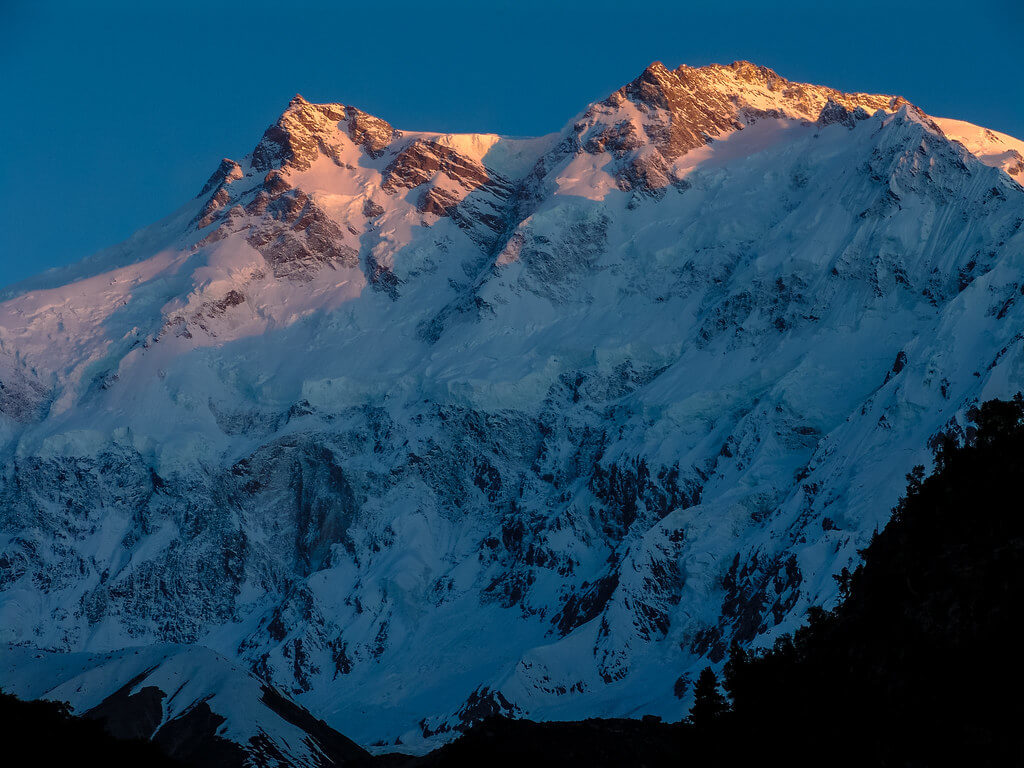
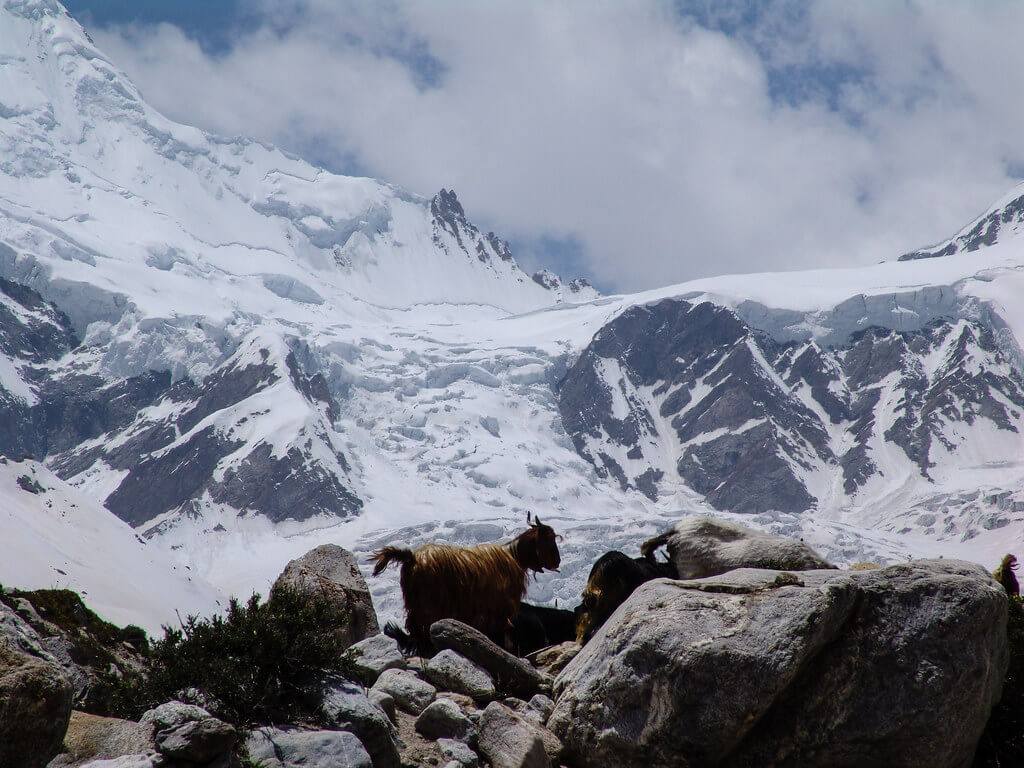
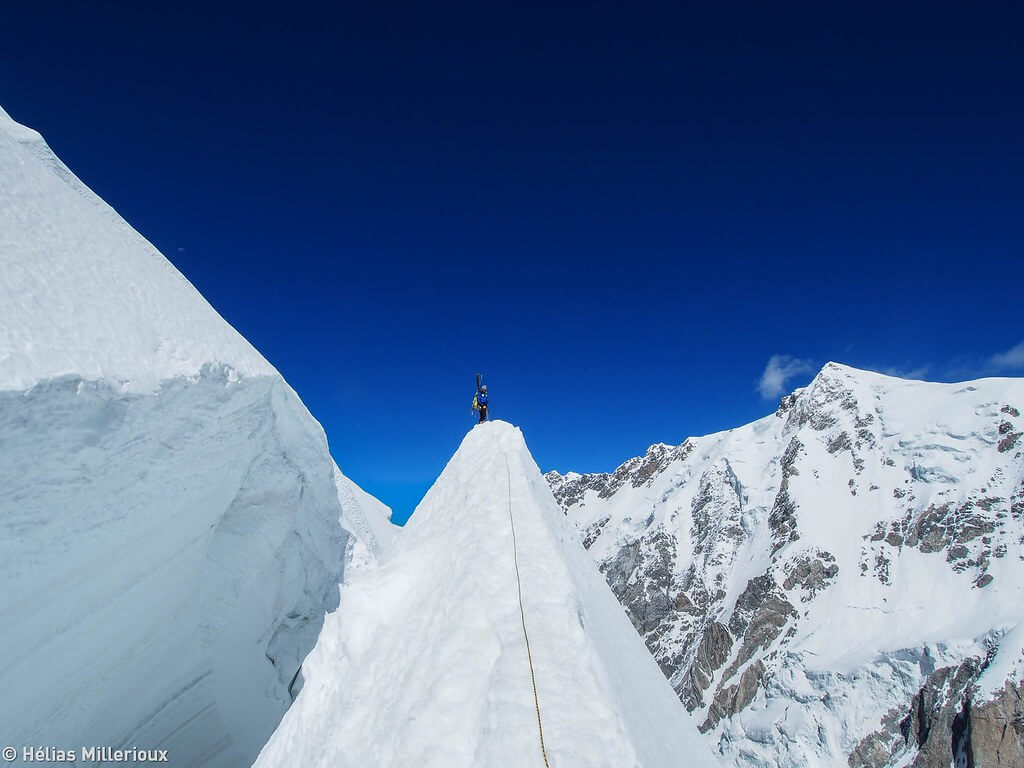
Awe-inspiring and difficult, the Nanga Parbat Expedition involves climbing Nanga Parbat, one of the most demanding mountains in the world. Nanga Parbat, the ninth-highest peak in the world, is situated in the Western Himalayas in Gilgit-Baltistan, Pakistan, and proudly stands at an elevation of 8,126 meters (26,660 feet).
Mountaineers from all over the world come together for the Nanga Parbat trip in search of the toughest test of their prowess, stamina, and willpower. Nanga Parbat gives climbers with a challenging yet thrilling adventure due to its steep, icy slopes, erratic weather patterns, and hazardous terrain.
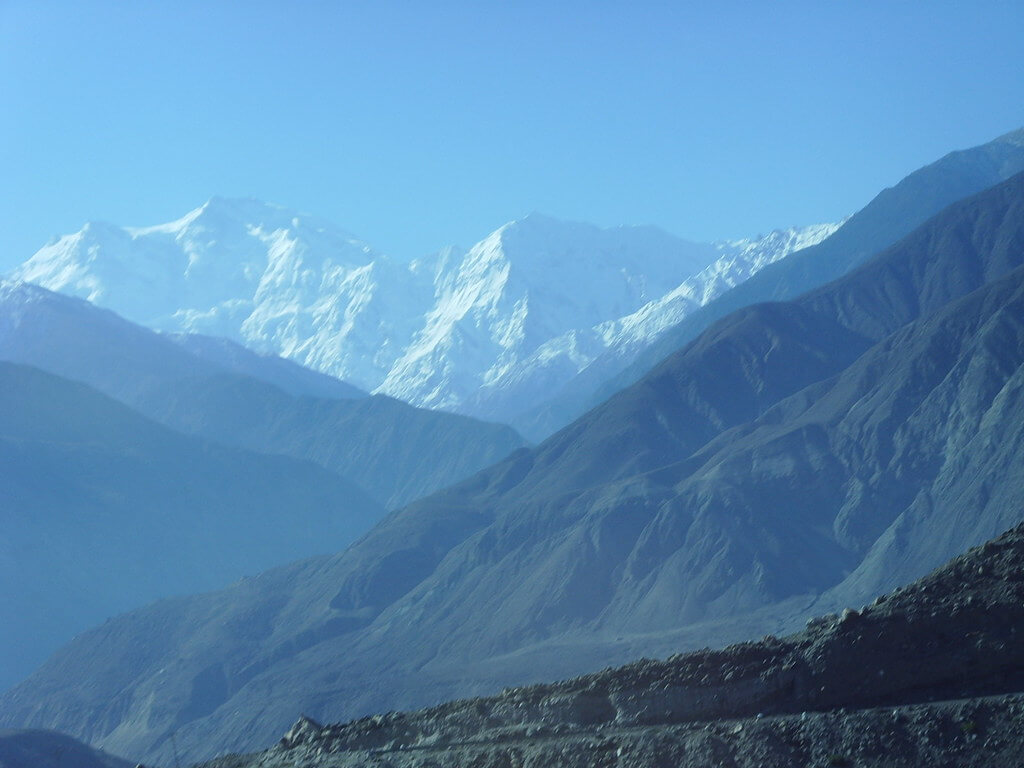
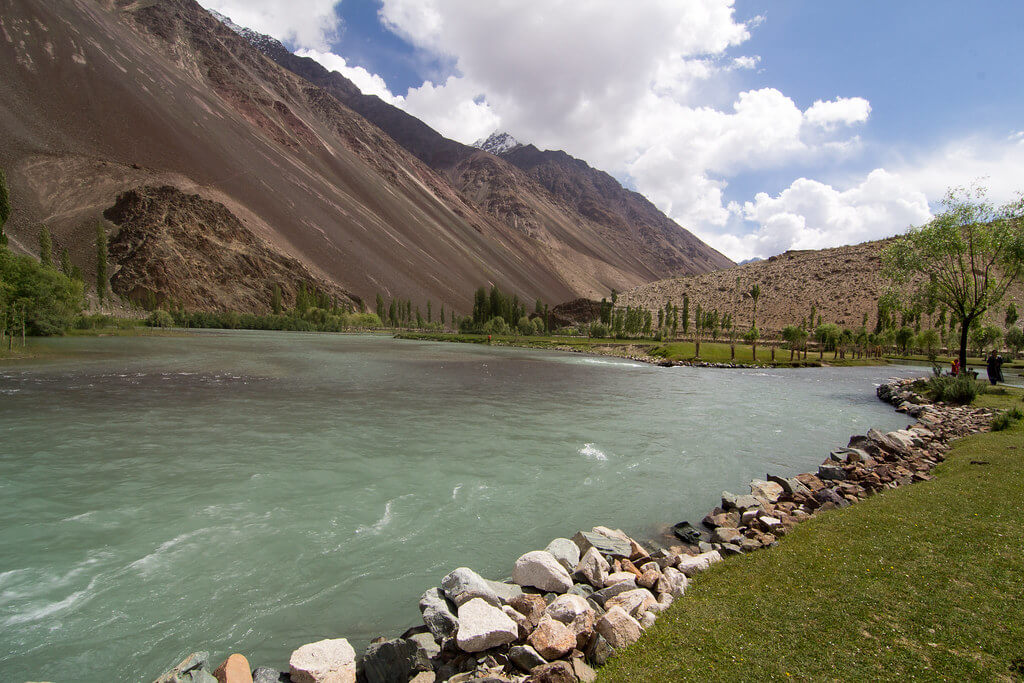
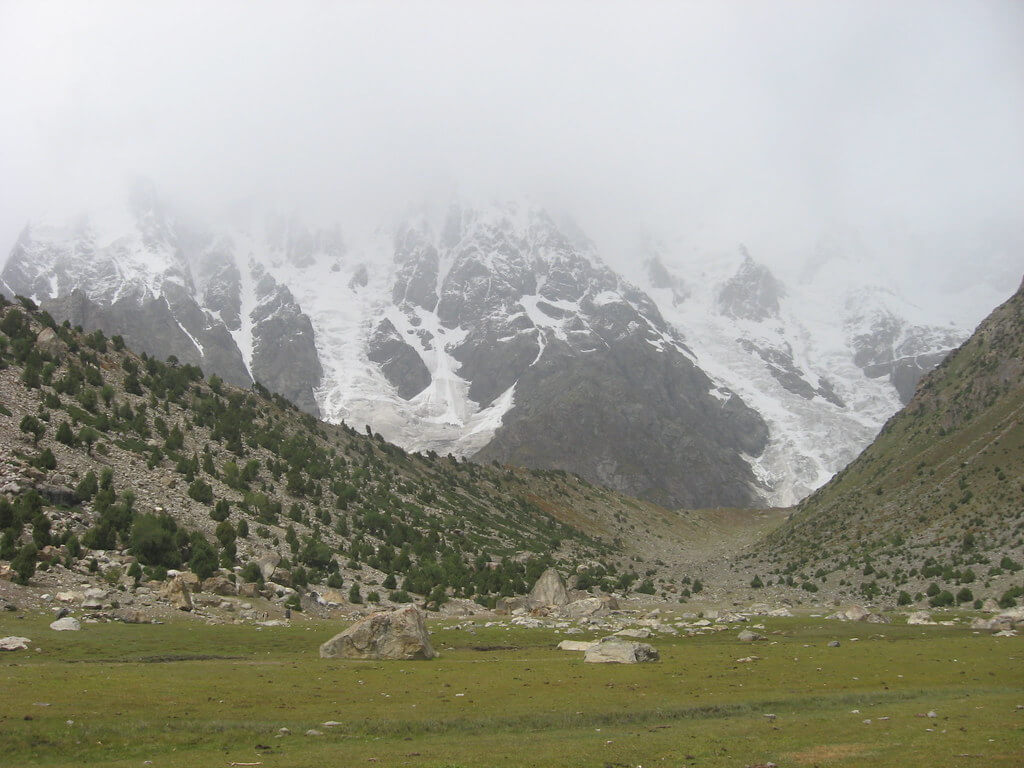
Mountaineers usually leave from the small town of Skardu to explore the captivating Himalayan environment at the start of their expedition. Stunning valleys, verdant meadows, and meandering routes are all encountered on the way up to the base camp, providing glimpses of the surrounding snow-capped summits.
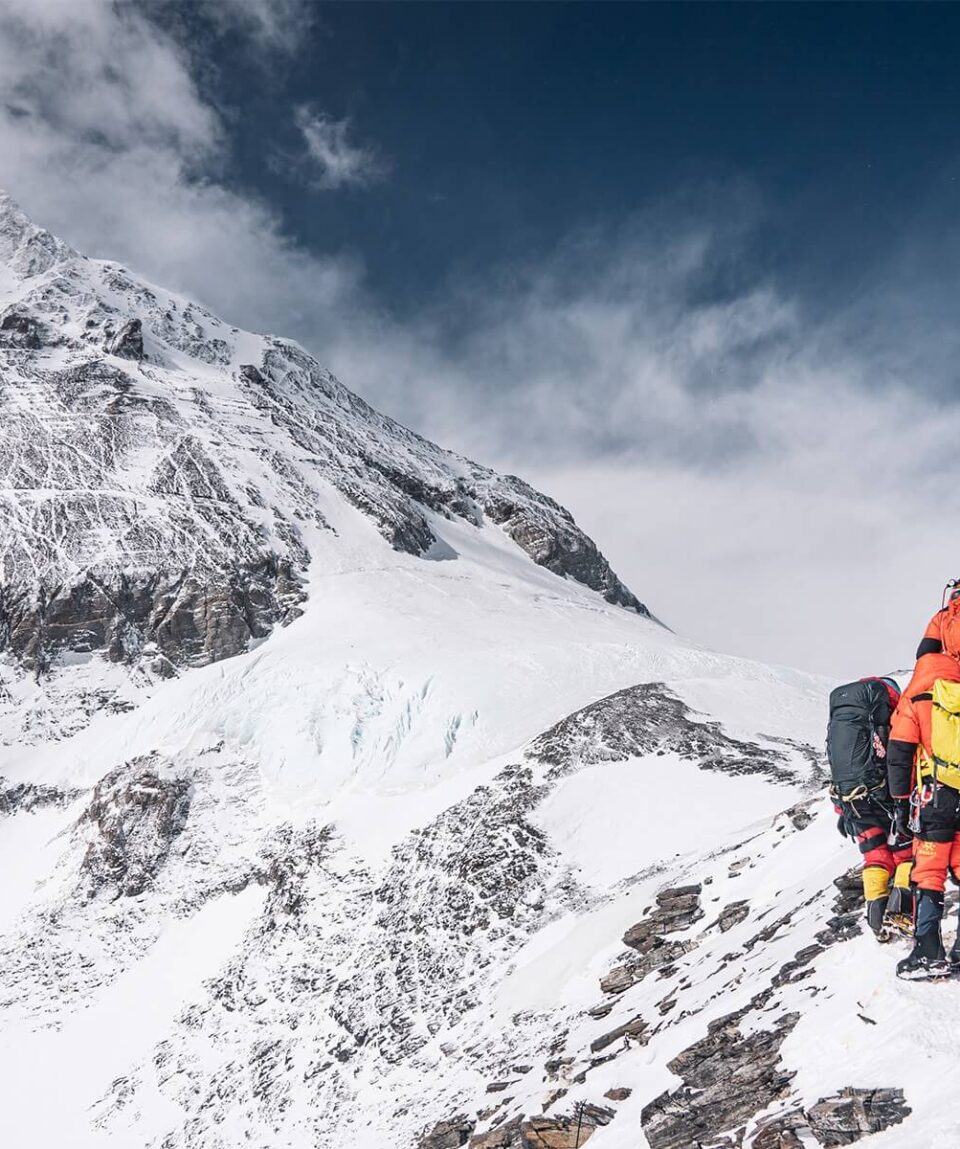
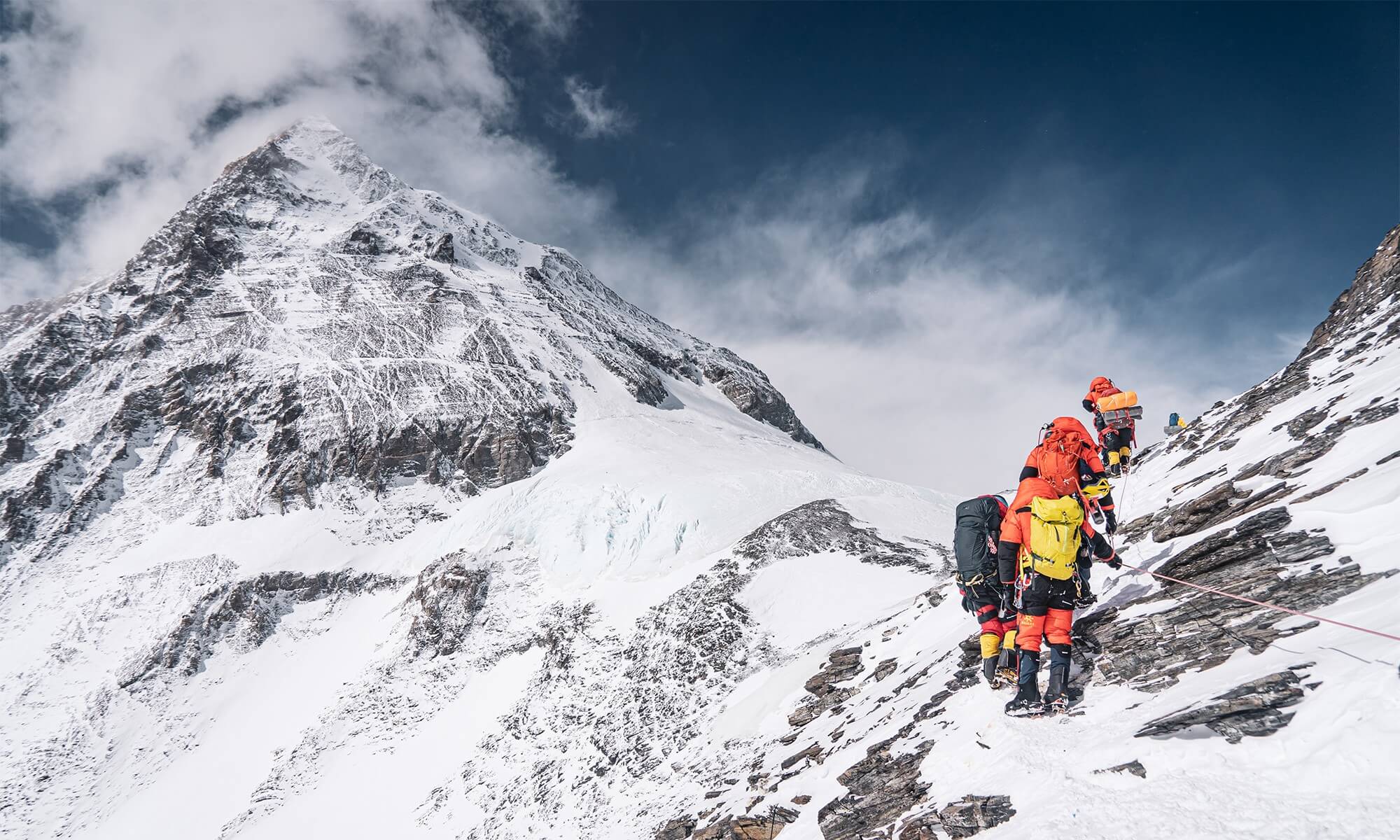
Climbers undergo strenuous acclimatization once at base camp to adjust to the high altitude and thin air. They build temporary camps at key locations around the mountain, gradually ascending and approaching the summit. Climbers can rest and refuel at each camp, which helps them cope with challenging circumstances.
Depending on the direction the expedition takes, there are different ways to reach Nanga Parbat’s peak. The often utilized Rupal and Diamir faces have unique difficulties and call for a variety of climbing methods. No matter the route used, climbers will come across sheer ice walls, exposed ridges, and crevasses, all of which call for exceptionally high levels of technical proficiency and physical fitness.
The Nanga Parbat Expedition depends heavily on the weather because of the mountain’s notoriously fierce storms and subfreezing temperatures. Climbers need to be ready for unforeseen weather changes and have the right equipment to resist extreme cold, powerful winds, and dangerous avalanches.
It takes a strong person to undertake the Nanga Parbat Expedition. It necessitates unwavering resolve, resiliency, and cooperation. On their grueling ascents, climbers frequently establish close-knit communities that they support and encourage one another in.
Those who successfully climb Nanga Parbat receive a tremendous sense of accomplishment as well as the chance to experience unmatched panoramic vistas from the summit. Few people have ever seen the huge expanse of snow-covered peaks, deep valleys, and far horizons.
But it’s important to remember that the Nanga Parbat Expedition is a dangerous project by nature. The mountain has the moniker “Killer Mountain” because of its treacherous terrain and the tragic deaths of numerous climbers. In order to reduce the risks involved with such an endeavor, safety precautions, appropriate training, and knowledgeable guides are essential.
Nanga Parbat Expedition is a magnificent journey that entices travelers to push their boundaries, face their concerns, and take in the breathtaking beauty of nature. It combines the strength of body, the fortitude of mind, and a deep connection with the gorgeous mountains, leaving an everlasting impression on the hearts and minds of those who dare to undertake this incredible adventure.